
Plumbing & PHE Design
Sustainable Water Infrastructure & Reliable Hydraulic Sanitation.
Plumbing and Public Health Engineering (PHE) is the most critical infrastructure for human hygiene and asset longevity. Defective pipe sizing leads to low water pressure, noisy water hammer vibrations, and structural ceiling leakages that ruin architectural finishes.
Pranam MEP designs state-of-the-art hydraulic water networks, hydro-pneumatic booster pumping systems, gravity sanitary drainage, and sewage recycling plants engineered for complete reliability and zero water wastage.
Our PHE Engineering Scope
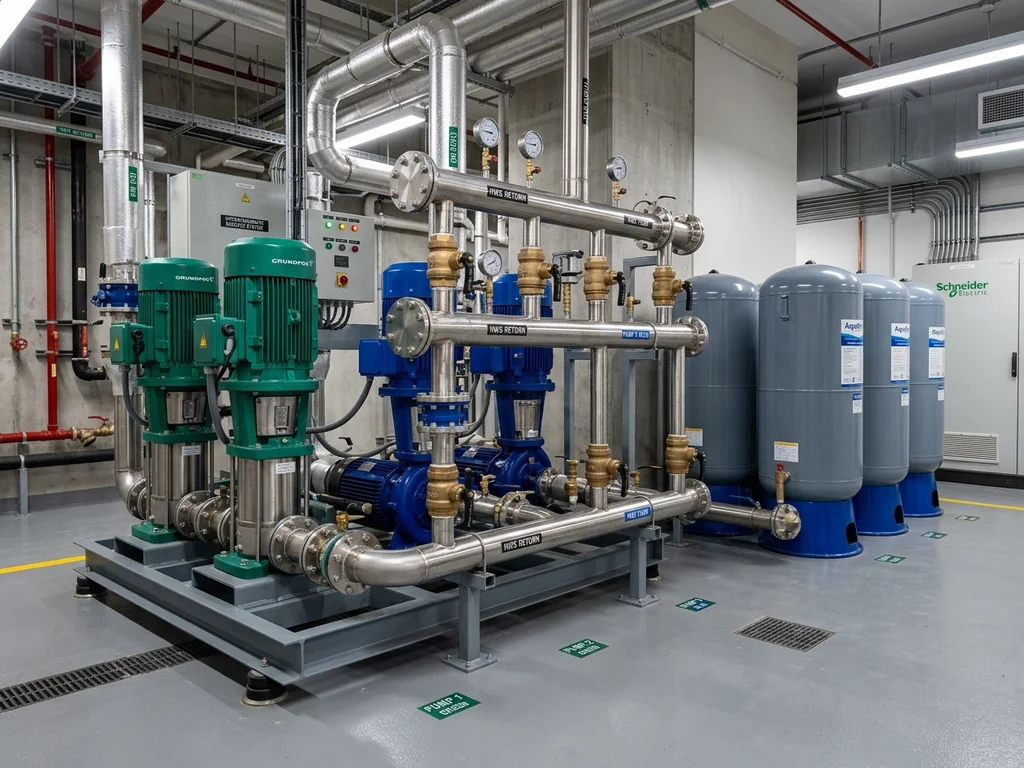
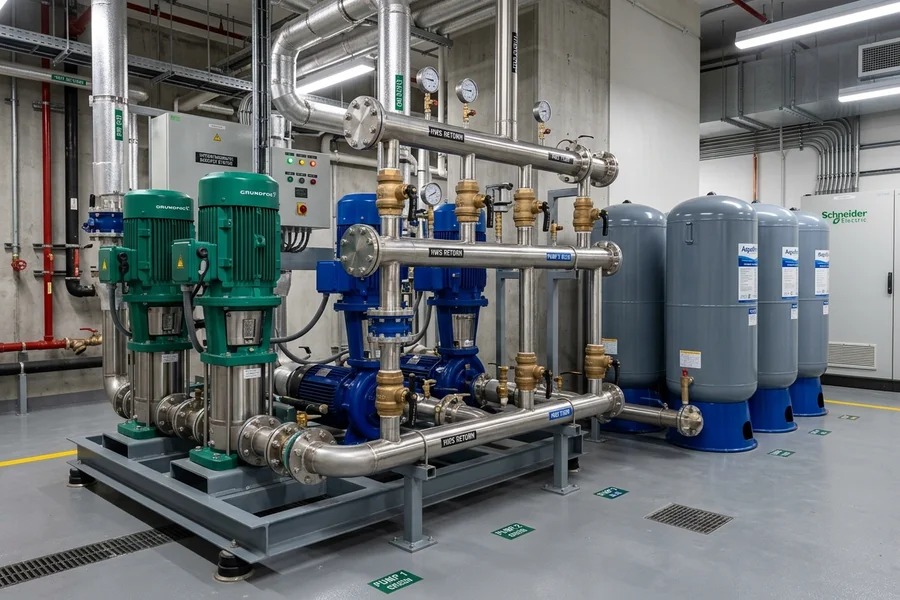
VFD multi-pump skid sets, pressure expansion tanks, PRV pressure-reducing valve zoning, and centralized water filtration plants.
Acoustic cast iron & uPVC two-pipe gravity drainage stacks, deep-seal P-traps, and self-cleansing hydraulic flow gradients.
MBBR/SBR technology sewage treatment plants, tertiary ultra-filtration, and segregated recycled water distribution for flush & cooling.
Catchment runoff calculations, desilting chambers, dual-filter recharge wells, and municipal stormwater retention sumps.
Engineering Deliverables Included
PHE Scope Summary
Planning Water Systems?
Eliminate pressure drops, pipe leaks, and drainage odor with engineered hydraulic pipe sizing.
Plumbing Engineering FAQs
Answers regarding booster pumping, sewage treatment, and water recycling.
01.Why is a Hydro-Pneumatic Pumping System superior to overhead gravity tanks?+
Hydro-pneumatic systems maintain constant, uniform water pressure (typically 2.5 to 3.5 bar) across all floors of a high-rise or luxury residence. They eliminate testy, heavy rooftop water tanks, reduce structural dead-load on building columns, and eliminate pressure drops on upper floors.
Using variable-frequency drive (VFD) multi-stage stainless steel pumps, water is pumped on demand with minimal electrical energy consumption.
02.How do you design for Zero-Liquid Discharge (ZLD) and water recycling?+
We design dual-plumbing piping networks that segregate domestic potable water supply from flushing and landscape irrigation circuits. Treated effluent from Sewage Treatment Plants (STP) or Effluent Treatment Plants (ETP) is filtered and recirculated for toilet flushing and cooling tower makeup water.
This reduces freshwater intake demands by 40% to 60%, lowering municipal water charges and helping projects earn IGBC / GRIHA green building certifications.
03.How do you prevent drainage odor and blockages in high-rise buildings?+
We engineer two-pipe gravity drainage systems with fully sized anti-siphonage vent pipes, deep-seal water traps, and cleanouts at every direction change. Pipe gradients are hydraulically calculated to maintain self-cleansing velocity.
This prevents foul sewer gas ingress into living spaces and completely eliminates chronic drainage chokes.
Do Not Gamble on On-Site Trial & Error.
Engineer your building's internal systems in fully coordinated drawings before groundbreaking. Talk directly with Kamal Vishwakarma to review your project drawings.